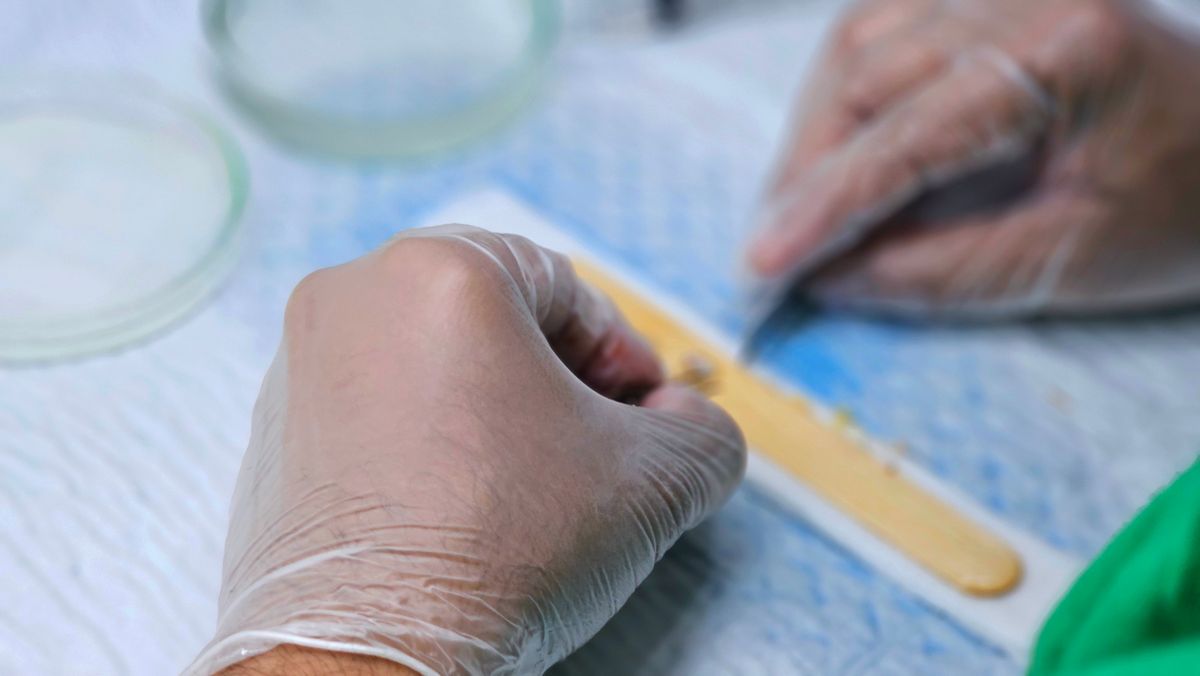
Understanding the technique
Direct Hair Implantation (DHI) is a method of placing hair follicular units using an implanter pen, commonly referred to as a Choi-type pen. Healthy follicular units are obtained from a suitable donor area and loaded into the implantation device. A clinician or appropriately authorised practitioner then places them according to the agreed plan.
DHI describes an implantation approach rather than a guarantee of density, a particular extraction method, or a particular number of grafts. Donor follicle extraction is often performed using a FUE approach. The condition of the harvested follicles and the expertise of the team matter more than terminology alone.
What a responsible consultation should cover
A clinical discussion starts with the nature and progression of hair loss. Assessment should consider medical history, scalp health, the quality of the donor area, existing miniaturised hair, medication, previous surgery and the patient's objectives. The team should explain whether surgery is appropriate now, whether non-surgical management should be considered first, and what future hair loss could mean for today's design.
A high graft count is not automatically a better outcome. Implantation density is constrained by safe donor harvesting, recipient blood supply, existing hair and realistic long-term planning. In some situations, preserving donor reserves for later years is more sensible than pursuing immediate maximum coverage.
What happens during the process
After a face-to-face assessment and any clinically indicated tests, an agreed design is marked. Local anaesthesia is typically used for extraction and implantation, with the precise protocol determined by the treating service. Follicles are collected, handled, sorted and implanted with attention to angle, depth and hair direction.
Ask which tasks are performed by the named doctor and which by authorised team members, how sterility is maintained and what happens if the initial plan changes. Every technique carries potential risks, including infection, bleeding, poor growth, donor depletion, altered sensation and an unsatisfactory aesthetic result.
Recovery and expectations
Small crusts, redness and tenderness can occur in the early postoperative period. Temporary shedding of transplanted hair shafts is common, and visible improvement takes months rather than days. The final appearance may take roughly a year or longer to mature, with meaningful individual variation.
Results depend on donor characteristics, recipient condition, follicle survival, ongoing hair loss and adherence to the treating team's guidance. No responsible provider should guarantee a specific density or percentage of growth from photos alone. Read the full recovery guide before scheduling travel or time away from work.
Deciding between DHI and alternatives
DHI is not necessarily the best option for large areas or every hair type. Conventional FUE with different implantation tools may be appropriate depending on surgeon preference, team experience and the clinical plan. A comparison should focus on practical implications for your hair loss pattern rather than promotional labels.
Patients should receive an understandable account of the recommended technique, its alternatives, risks, likely costs, postoperative arrangements and limitations before consenting to any procedure.
The importance of donor preservation
A donor area contains a finite reserve of follicles. Harvesting too aggressively can create visible thinning even when a short hairstyle initially conceals individual extraction points. A responsible plan should explain the approximate harvesting pattern and how it balances today's objectives with possible changes in hair loss over coming years.
Hair calibre, follicular unit density and the proportion of miniaturised hair should be considered rather than simply multiplying an area by a target number. The donor zone should be assessed from several angles and in relation to the recipient area. If the expected benefit is limited, patients deserve an explanation before paying for travel.
Angles and direction in the recipient area
The angle of hair growth changes from the temple and leading hairline to the mid-scalp and crown. A coherent design follows those patterns. A pen can place follicles at selected angles, but the skill of the operator, surrounding hair and the surgeon's design remain essential.
Patients can ask to review their marked plan in a mirror under ordinary lighting. A consultation should include a description of the likely transition from the single-hair leading edge to regions of greater density. If a proposed design looks unusually low, flat or uniform, request a discussion of long-term appearance and alternatives.
Comfort, sterility and possible complications
Hair transplantation is elective surgery. Local anaesthesia may reduce discomfort during the procedure, but it does not remove every sensation or the possibility of side effects. Potential issues include swelling, bleeding, infection, donor-site changes, poor graft growth, shock loss of existing hair and dissatisfaction with the final design.
A clinic should provide a clear description of how it manages anaesthesia, allergies, medication, equipment hygiene and unforeseen events. If a patient has a complex medical history or takes regular medicines, the treating medical team should determine whether additional evaluation is necessary. General online descriptions cannot replace a personalised risk assessment.
Questions for a meaningful consent discussion
Ask what outcome is reasonably achievable and what could make the outcome less favourable. Ask whether surgery needs to be staged and what non-surgical alternatives are available. Identify what is reversible, what is permanent, and which elements are uncertain. It should be possible to take the information away and think about it without pressure.
The same conversation should identify who is performing and supervising the procedure, what aftercare support will be available and how an unhappy or complicated outcome will be assessed. A photograph-based estimate made by a coordinator should always remain provisional until a suitable medical professional completes the examination.
Frequently asked questions
Does DHI mean there are no scars?
No. Follicular extraction can leave many small donor-site marks; the visibility varies with individual healing, hair length and harvesting pattern.
Is DHI always better than FUE?
No. DHI refers to implantation, while FUE usually refers to follicle extraction. Their suitability depends on the clinical circumstances.
Can I book from photographs alone?
Photographs can inform an initial discussion but cannot replace an examination of donor density, scalp health and medical suitability.
Related patient guidance: Explore DHI vs FUE comparison, unshaven DHI guide, and recovery and aftercare. These guides support informed questions but do not replace individual clinical assessment.